
Safety Rope Net Guide: Key Features, Applications, and Selection Tips
Safety Rope Net Guide: Key Features, Applications, and Selection Tips
Share Box

More Latest News


Table of Contents
Introduction

A safety rope net is a protective netting solution designed to improve safety in construction, industrial operations, sports facilities, transportation areas, and other environments where fall prevention or object protection is required. Made from high-strength ropes or synthetic fibers, safety rope nets provide a flexible barrier system that helps reduce risks caused by falling objects, unstable areas, or accidental falls.
Compared with rigid protective structures, safety rope nets offer advantages such as lightweight construction, easy installation, flexibility, and adaptability to different environments. Their mesh structure allows airflow while maintaining effective protection, making them suitable for both indoor and outdoor applications.
Selecting the right safety rope net requires careful consideration of rope material, mesh size, tensile strength, environmental resistance, installation method, and intended use. A suitable safety rope net should provide reliable protection while maintaining durability and practical usability.
This guide explains the structure, key features, applications, material options, maintenance methods, and selection factors of safety rope nets to help users better understand this important safety product.
What Is a Safety Rope Net?
A safety rope net is a protective net made from interconnected ropes designed to provide safety support in areas where additional protection is needed. The rope structure creates a flexible mesh surface that can absorb impact, prevent falls, and improve overall workplace safety.
Safety rope nets are commonly manufactured using strong synthetic fibers because these materials provide excellent tensile strength, flexibility, and resistance to environmental conditions.
Unlike traditional barriers made from solid materials, rope nets can cover large areas while remaining lightweight and easy to handle. Their flexible structure allows them to adapt to different installation spaces, including construction sites, elevated platforms, playgrounds, and industrial areas.
Safety rope nets are closely related to fall protection, which focuses on reducing risks associated with working at heights and preventing injuries caused by falls.
For professional rope products and customized rope solutions, Anhui Rope provides rope systems designed for various industrial and outdoor applications.
Why Safety Rope Nets Are Important
Safety risks can appear in many environments, especially where people work at height, operate equipment, or move through complex spaces.
A safety rope net provides an additional protective layer by helping catch falling objects, supporting people during accidental falls, or separating different areas.
One major advantage of safety rope nets is their flexibility. Unlike permanent structures, rope nets can often be installed, adjusted, removed, and reused according to changing requirements.
Another important benefit is improved workplace organization. In construction and industrial environments, safety nets help create clearer safety boundaries and reduce potential hazards.
The effectiveness of a safety rope net depends on proper product selection, correct installation, regular inspection, and suitable maintenance.
Key Features of Safety Rope Nets
Several features determine the performance and reliability of safety rope nets.
High-Strength Rope Material
The rope material is the foundation of the net’s performance. Strong fibers help the net withstand tension, impact, and repeated use.
Common materials include synthetic fibers that provide durability, flexibility, and resistance to wear.
Strong Mesh Structure
The mesh design determines how effectively the net can provide protection while maintaining flexibility.
A properly designed mesh balances strength, weight, and coverage.
Impact Absorption Capability
A quality safety rope net should be able to absorb energy when exposed to sudden force or impact.
This feature is especially important in applications involving fall prevention or object protection.
Weather Resistance
Outdoor safety rope nets may face sunlight, rain, wind, and temperature changes.
Materials with good weather resistance help maintain performance over longer periods.
Easy Installation
Safety rope nets should allow practical installation through ropes, hooks, frames, or support systems.
A flexible installation design makes the net suitable for different environments.
Safety Rope Net Feature Comparison
| Feature | Why It Matters | What to Check |
|---|---|---|
| Rope Strength | Determines load-bearing ability | Check tensile strength and material quality |
| Mesh Size | Affects protection performance | Select according to application needs |
| Material Durability | Supports long-term use | Consider abrasion and weather resistance |
| Flexibility | Improves installation convenience | Check handling and adjustment ability |
| Weight | Affects transportation and setup | Choose suitable lightweight designs |
| UV Resistance | Helps outdoor durability | Confirm sunlight resistance |
| Edge Reinforcement | Improves installation stability | Check border strength |
| Maintenance Needs | Extends service life | Consider cleaning and inspection methods |
A suitable safety rope net should combine strength, flexibility, durability, and practical installation features.
Common Applications of Safety Rope Nets
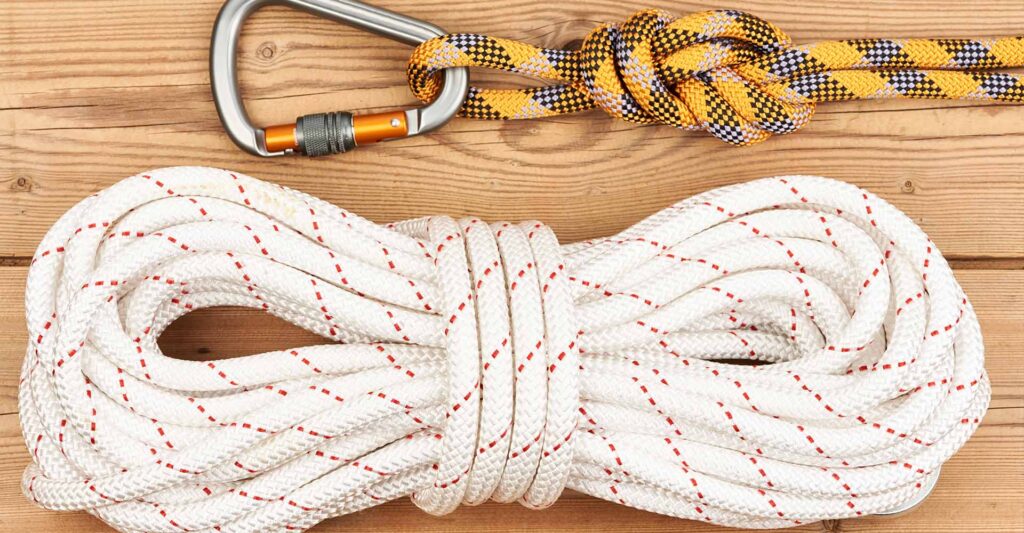
Safety rope nets are used in various industries and environments where protection and safety control are important.
Construction Safety Protection
Construction sites often involve elevated structures, open edges, scaffolding, and material movement.
Safety rope nets help provide additional protection by reducing the risk of falling objects and supporting safer working conditions.
Their lightweight design makes them easier to install around complex structures compared with rigid protection systems.
Industrial Facilities
Industrial environments may include machinery areas, platforms, storage spaces, and restricted zones.
Safety rope nets can be used as protective barriers, separation systems, or safety coverings depending on operational requirements.
Their flexible structure allows businesses to adapt safety arrangements as working conditions change.
Sports and Recreational Areas
Safety rope nets are commonly used in sports facilities, climbing areas, playgrounds, and adventure spaces.
They help create protective boundaries while maintaining visibility and airflow.
The rope structure also provides a comfortable and flexible safety solution for recreational environments.
Transportation and Loading Areas
Loading zones, warehouses, and transportation facilities often require safety separation and protective systems.
Safety rope nets can help control access areas and provide additional protection around operational zones.
Outdoor Protection Applications
Outdoor environments such as gardens, landscaping areas, and temporary structures may use safety rope nets for protective or decorative purposes.
Their weather-resistant characteristics make them suitable for different outdoor conditions.
Materials Used in Safety Rope Nets
Material selection directly affects the performance of safety rope nets.
Synthetic fibers are commonly used because they provide high strength, lightweight performance, and resistance to environmental factors.
Polyester ropes are known for good durability, low moisture absorption, and resistance to stretching.
Nylon ropes provide excellent flexibility and impact absorption, making them suitable for applications requiring elasticity.
Polypropylene ropes offer lightweight performance and moisture resistance for certain general applications.
The best material depends on the intended use, environmental conditions, required strength, and expected service life.
Safety Rope Net vs Traditional Safety Barrier
Safety rope nets and traditional safety barriers provide protection in different ways.
Traditional barriers are usually rigid structures made from metal, wood, or other solid materials. They provide strong physical separation but may require more complex installation.
Safety rope nets offer greater flexibility and adaptability. They are easier to transport, install, and adjust for temporary or changing environments.
| Comparison | Safety Rope Net | Traditional Safety Barrier |
|---|---|---|
| Structure | Flexible rope mesh | Rigid construction |
| Installation | Easier and more adaptable | Often requires fixed installation |
| Weight | Lightweight | Usually heavier |
| Airflow | Excellent ventilation | Limited airflow |
| Application | Temporary and flexible protection | Permanent protection systems |
The right choice depends on the environment, protection requirements, and installation conditions.
How to Choose the Right Safety Rope Net
Selecting the correct safety rope net requires evaluating several important factors.
The first consideration is application purpose. Determine whether the net is needed for fall protection, object prevention, separation, or recreational use.
The second factor is rope material. Different fibers provide different levels of strength, flexibility, and environmental resistance.
The third consideration is mesh size. The opening size should match the protection requirements of the application.
The fourth factor is installation conditions. Consider how the net will be attached and whether it needs frequent movement or adjustment.
The fifth factor is environmental exposure. Outdoor applications require consideration of UV resistance, moisture, and weather conditions.
A suitable safety rope net should match the actual working environment rather than focusing only on appearance.
Installation Methods for Safety Rope Nets
Proper installation is essential for safety rope net performance.
Before installation, check the coverage area and identify suitable support points.
The net should be securely attached using appropriate fixing methods, such as ropes, hooks, or structural supports.
Avoid excessive tension because it may place unnecessary stress on the rope structure.
Regularly inspect attachment points after installation, especially in outdoor environments where wind and weather may affect stability.
For customized rope connection requirements, professional rope solutions can support different safety rope net installation applications.
Maintenance and Storage Guidelines
Proper maintenance helps extend the service life of safety rope nets.
Regular inspection should include checking for broken strands, abrasion, deformation, chemical damage, and weakened connection points.
Clean the net according to the rope material requirements to remove dust and contaminants.
After use, store the net in a dry and clean location away from direct sunlight, sharp objects, and chemicals.
Proper storage prevents unnecessary damage and helps maintain rope flexibility.
Common Mistakes When Using Safety Rope Nets
One common mistake is choosing a safety rope net without considering the actual protection requirements.
Another mistake is selecting the wrong mesh size, which may reduce effectiveness for certain applications.
Some users overlook installation quality and focus only on the net material itself.
Another issue is failing to inspect the net regularly after extended use or outdoor exposure.
Proper selection, installation, and maintenance are all essential for achieving reliable safety performance.
How Safety Rope Nets Improve Safety Performance

Safety rope nets provide a practical way to improve protection in environments where flexibility and adaptability are important.
Their rope-based structure allows them to absorb impact, cover irregular spaces, and create protective zones without adding excessive weight.
When combined with proper installation and regular inspection, safety rope nets can become an effective part of a complete safety management system.
They are especially valuable in applications where traditional rigid barriers are difficult to install or adjust.
Conclusion
Safety rope nets are versatile protective solutions that combine strength, flexibility, and practical usability. Their durable rope structure and adaptable design make them suitable for construction, industrial facilities, sports areas, transportation zones, and outdoor applications.
Choosing the right safety rope net requires careful consideration of material quality, mesh design, environmental conditions, installation methods, and maintenance requirements.
With proper selection and responsible use, safety rope nets can provide reliable protection and long-term performance in various safety-related environments.
FAQ
What is a safety rope net used for?
A safety rope net is used for fall prevention, object protection, area separation, and safety support in construction, industrial, recreational, and outdoor environments.
What materials are used for safety rope nets?
Safety rope nets are commonly made from synthetic fibers such as polyester, nylon, and polypropylene because they provide strength, flexibility, and durability.
How do I choose the right safety rope net?
The right safety rope net depends on the application, rope material, mesh size, environmental conditions, installation method, and required protection level.
Can safety rope nets be used outdoors?
Yes, many safety rope nets are designed for outdoor use with features such as UV resistance, weather durability, and moisture resistance.
How should safety rope nets be maintained?
Safety rope nets should be inspected regularly, cleaned properly, stored in dry conditions, and checked for rope damage or weakened connection points.